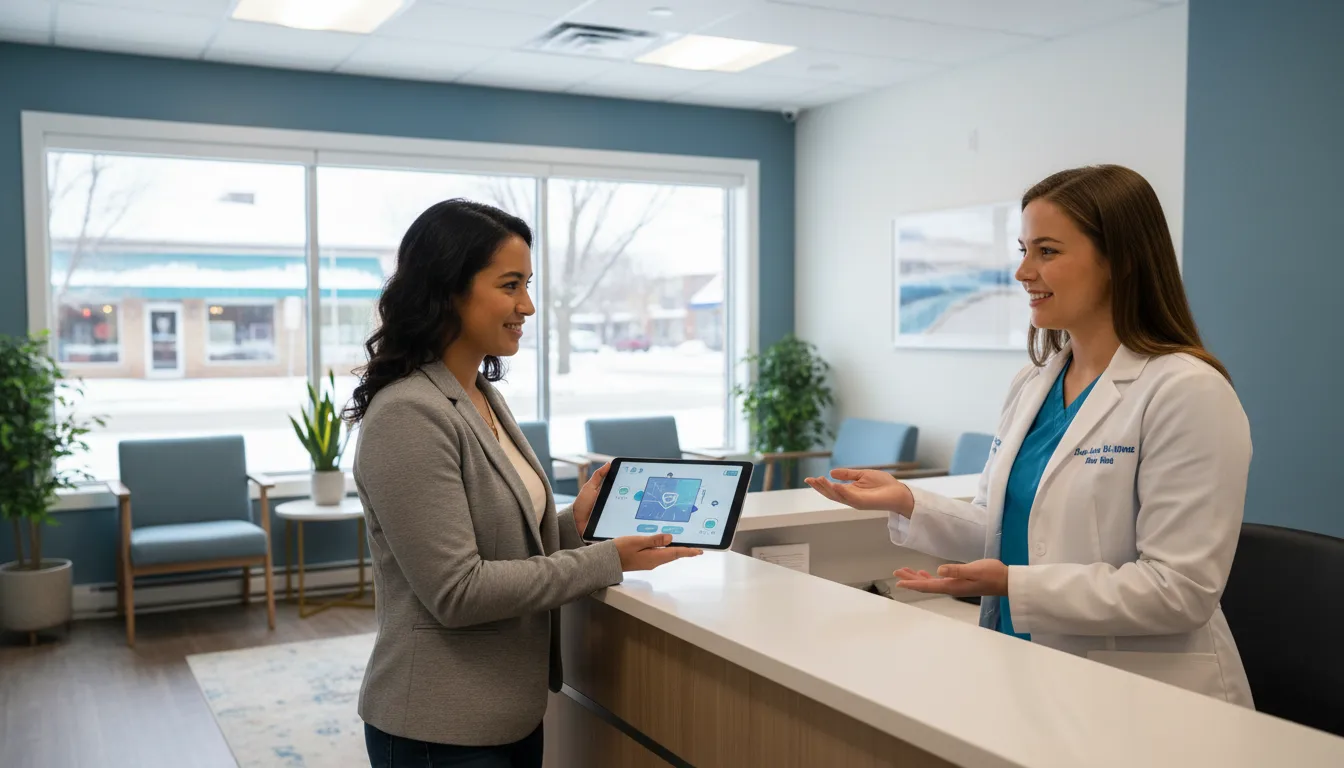
Summary: In Cheektowaga, walk-in clinics like WellNow Urgent Care and Western New York Immediate Care offer accessible healthcare without appointments, addressing non-life-threatening conditions with extended hours and on-site services. Payment processing challenges persist due to outdated systems and incorrect merchant codes, but automated tools and clear communication can improve efficiency and patient satisfaction.
Payment Processing Challenges in Healthcare Settings
In healthcare, roughly 20% to 40% of medical offices overpay on payment processing fees disappears every year because merchant category codes are wrong and billing software is a clunky beast. Ugly leak. In Cheektowaga, that shows up in familiar spots, like a local walk-in clinic Cheektowaga residents can reach without much fuss, where the front desk is trying to juggle payments, claims, and security rules all at once. Care can move quickly. The money side often crawls.
Key Takeaways
Medical offices lose money in quieter ways too. Plenty of them pay 20% to 40% more in processing fees than they need because the merchant category code is wrong. An estimated 80% of medical bills carry errors or overcharges, which leaves revenue on the floor and patients irritated. Point-of-care payment helps because it cuts accounts receivable and bad debt. Health savings cards add another wrinkle, since they depend on the right merchant category code and can fail at the worst possible moment. Staff shortages make the whole tangle harder to absorb, so automated revenue cycle tools are shifting from nice-to-have to plain necessity.
1. Clinads: Your Partner in Practice Growth
For clinics that want a cleaner path forward, Clinads is a solid option for practice growth and patient outreach. It keeps a clinic visible without burying staff in repeat admin tasks. That matters. When the early stretch of the patient journey is simpler, the payment process usually feels less abrasive too. Clinads offers digital marketing, patient relationship management, and data analytics, which gives clinics a clearer way to see where patients come from and what they do next. The payoff is steadier traffic from new and returning patients, with less clerical drag on the team.
2. WellNow Urgent Care: Best for Quick Accessibility
WellNow Urgent Care in Cheektowaga is set up for fast walk-in care for non-life-threatening illnesses and injuries. It runs seven days a week, keeps extended hours, and offers on-site X-ray and lab services. Short waits help. For clinics, the interesting part is the pairing of walk-in access with online check-in, since that keeps people moving without turning the front desk into a bottleneck. If you’re a clinic manager checking compliance on your digital presence, you can verify that with our Free Clinic Ad Compliance Checker. WellNow puts convenience first, and it shows how a medical site can serve patients without pushing them toward the emergency room for everything.
3. Western New York Immediate Care: Best for 24/7 Availability
Western New York Immediate Care gives Cheektowaga patients a place to go after office hours. It stays open when a lot of practices close.
That matters. Small problems still need care.
Its 24/7 schedule can keep people out of the ER for things that do not belong there. That relieves pressure on a system already busy enough. Telehealth is part of the mix too, so patients have another route when they need one. For practices trying to keep patients from walking away frustrated, resources on Self-Pay vs Insurance: 7 Best Patient Payment Options for Medical Care can help with the payment talk at the desk.
4. Community Health Center of Buffalo: Best for Comprehensive Primary Care
The Community Health Center of Buffalo location in Cheektowaga is built for steady primary care. Patients can get behavioral health and GYN services there as well.
That kind of continuity matters. Urgent care cannot do this job.
If you want feedback on how patients experience those services, check this with our Free Patient Review Request Kit. The center keeps care under one roof, which makes follow-up less chaotic and gives families one place to return to. Preventive care, chronic disease management, and wellness visits all sit inside the same clinic flow, and that makes the doctor-patient relationship less brittle.
5. Navigating Complex Payment Workflows
Medical offices live in a tricky spot. They have to handle HIPAA-compliant billing while patients expect faster, clearer ways to pay.
Paper statements drag. Fax chains drag too. Payments can sit for weeks while staff chase errors and resend the same forms. Automated payment workflows change that pace. Electronic billing and patient portals let people read a bill online and pay it there, which saves time on both sides and cuts down on mistakes. Cash flow gets easier to watch. The office gets less buried in admin work.
6. Managing Patient Responsibility and Bad Debt
Deductibles and coinsurance keep climbing, so patients now cover more of the bill themselves. If a clinic waits too long to explain that, the balance often turns into bad debt.
Say the cost early. Say it plainly.
Payment plans can help. So can financial counseling. Flexible payment options and real-time cost estimates also give patients a clearer picture before the bill lands, which lowers the odds of unpaid balances and keeps trust from slipping.
7. The Role of Technology in Healthcare Payment Processing
Healthcare billing is a messy job, and the mess shows up fast when the tools are old. Clinics still wrestling with paper statements and manual entry usually spend too much time fixing avoidable mistakes.
Digital payment tools change that routine. Mobile pay, automatic billing, and other software-based payment options cut down the admin load, lower error rates, and give patients a simpler way to pay. Cash moves faster. Staff spend less time chasing balances.
The data matters too. Payment systems can show which bills linger, which patients pay late, and where the billing process keeps tripping over itself. That kind of visibility helps a practice adjust its revenue cycle work without guessing.
Conclusion
Running a practice in Cheektowaga means handling more than clinical care. Payment processing is part of the job, and it can make life easier or much harder depending on how old the system is.
Partners like Clinads can take some of that weight off the front desk. A walk-in clinic Cheektowaga or a primary care office still has to deal with billing, patient questions, and collection problems, but automated payment systems make those tasks less painful. Patients notice too. They want clear bills, fewer surprises, and a payment process that doesn’t feel stuck in another decade.
If the current setup is slow, error-prone, or hard on staff, it’s worth looking at it now. Better billing tools, clearer communication, and faster payment collection can protect both revenue and reputation.
Frequently Asked Questions
Can I just walk into a clinic in Cheektowaga without an appointment?
Yes. Many urgent care centers in Cheektowaga, including WellNow, are built for walk-ins. No appointment is needed. Checking wait times online can still save time, and a quick call before leaving can help avoid a wasted trip.
Why is medical payment processing so expensive?
A lot of offices get hit with higher fees because their merchant category codes are wrong. That alone can push costs up.
Healthcare billing also gets expensive because the transactions are complicated. HSA and FSA cards, insurance split-payments, and recurring billing all create more room for mistakes. A processor that doesn’t handle healthcare well can leave money on the table.
How can clinics reduce claim denials and payment delays?
Start with registration. If patient data is checked correctly at the front desk, fewer claims get bounced later. Billing codes need to be accurate before anything goes out.
Software that checks eligibility in real time helps too. So do clear estimates of what the patient owes. Small errors create long delays, and nobody at the office wants more follow-up calls.
What is the advantage of point-of-service payments?
Getting paid during the visit helps cash flow right away. It also cuts down on bad debt, since there’s less left to collect later.
There’s another benefit. Staff can answer billing questions while the patient is still there, which keeps the process from turning into a pile of mailed statements and awkward phone calls. The relationship stays cleaner.
Related reading
Sources
- Payment Processing for Medical Offices in 2026: Copays, HSA Cards, and HIPAA Compliance
- Cheektowaga - WellNow Urgent Care
- Why payment processing for practices is so painful | Medical Economics
- Find a WellNow Urgent Care Clinic in Cheektowaga, NY
- Cheektowaga - Community Health Center of Buffalo, Inc
- WesternNew York Immediate Care - Cheektowaga
- WellNow Urgent Care, Cheektowaga
- Healthcare payment processing systems explained | Stripe
- Top healthcare payment challenges and lessons of 2025
- Learn to Overcome Practice Payment Challenges - Rectangle Health
- Managing patient payments
- Top healthcare revenue cycle challenges and strategies to solve them - Healthcare Blog
- Managing Patient Payments Challenges
- The Challenges of Collections in Healthcare
- The Growing Challenge of Patient Payments
- Problems with square app : smallbusiness