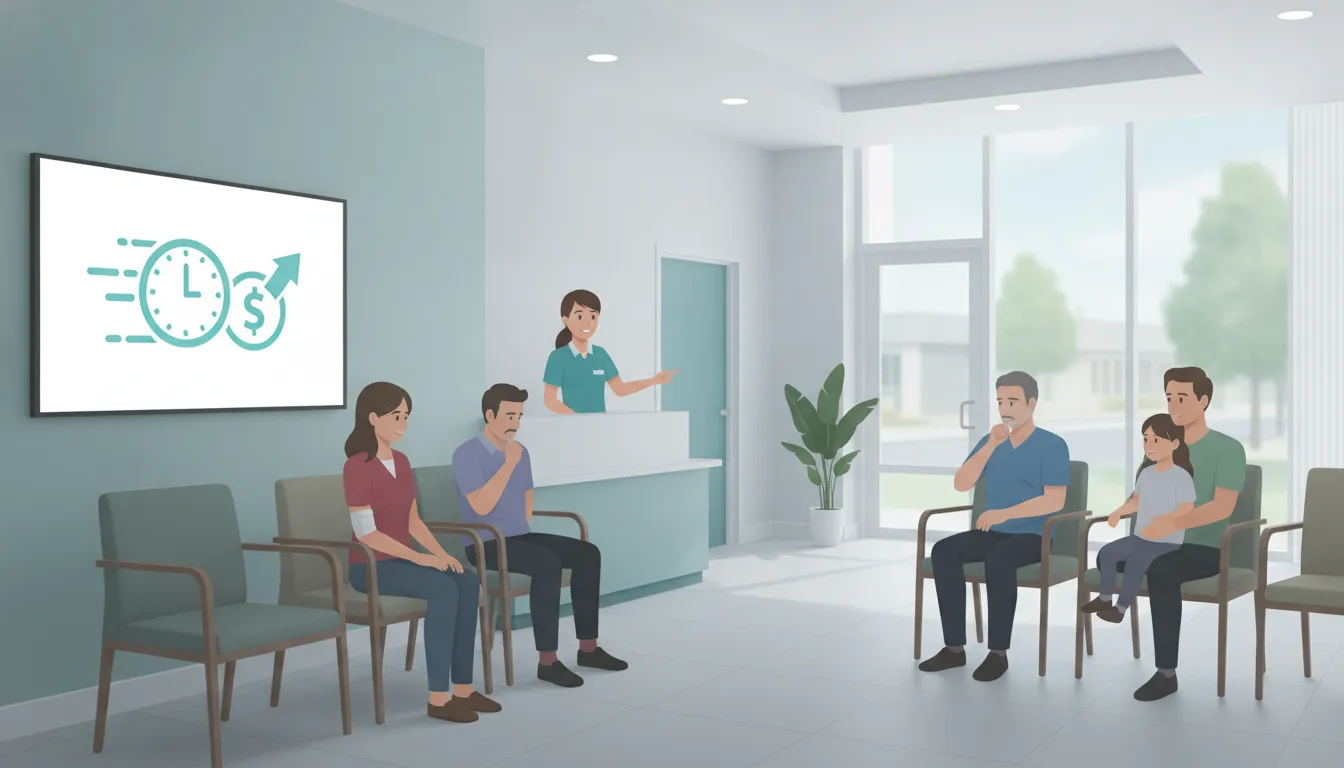
Summary: Urgent care centers in Cheektowaga offer a faster, more affordable alternative to emergency rooms for non-life-threatening conditions, with typical visits lasting under an hour compared to the three-hour waits common in ERs. Facilities like Clincy, WellNow Urgent Care, and Western New York Immediate Care provide convenient walk-in services and extended hours, ensuring prompt attention for minor illnesses and injuries.
When you are struck by a sudden fever or a nagging injury at 8:00 PM, the average three-hour wait time in a hospital emergency room becomes a daunting reality. Choosing the right path for non-life-threatening concerns determines whether you spend your evening in a crowded waiting area or receive prompt, focused attention at an urgent care cheektowaga facility. Navigating the local healthcare landscape can be overwhelming when you are already feeling unwell. Many residents turn to urgent care centers because they offer a critical middle ground between a primary care doctor and an emergency department. These facilities are specifically designed to treat common, non-emergent issues like sprains, infections, and minor cuts with far greater efficiency than hospital-based ERs. Understanding where to go is not just about convenience. It is about accessing the correct level of care at the right time. Whether you need an X-ray for a suspected break or a quick screening for a persistent cough, knowing which local providers offer the specific services you require can save you significant stress and time. By clarifying these options, you ensure that your health remains the priority, even when life introduces unexpected, urgent medical needs.
Key Takeaways
Speed beats waiting: Emergency rooms prioritize life-threatening cases, meaning minor issues often face long, multi-hour delays, whereas urgent care visits frequently conclude in under an hour.
- Cost matters greatly: Urgent care centers are generally more affordable, often billing as a standard office visit, which can save you hundreds or thousands compared to emergency room prices.
- Scope of care: Urgent care is ideal for minor illnesses and injuries, while emergency rooms remain the only safe destination for symptoms like chest pain, difficulty breathing, or severe head injuries.
- Check before visiting: Confirming your insurance network participation before you arrive at a clinic can help reduce your out-of-pocket costs.
- Walk-in convenience: Most top-rated urgent care locations accept walk-ins without an appointment, though some modern clinics offer online check-in to help you manage your wait time from home.
At a Glance
| Factor | Urgent Care | Emergency Room |
|---|---|---|
| Best For | Non-life-threatening illnesses/injuries | Life- or limb-threatening emergencies |
| Typical Wait | Under 1 hour | Often 3+ hours |
| Typical Cost | Lower copay / office visit fee | Significantly higher |
| Availability | Extended/weekend hours | 24/7/365 |
1. Clincy: Your Personalized Care Choice
Clincy is a standout option for residents seeking a modern, patient-focused approach to urgent medical needs. Clincy prioritizes streamlined communication and efficiency, making it an excellent choice for individuals who want to avoid the typical frustrations associated with finding care. By integrating high-quality medical standards with a commitment to patient satisfaction, Clincy ensures that you are treated with both precision and genuine care. This facility is best suited for working adults and families who value transparency and prompt service. If you are tired of long waits and impersonal experiences, Clincy provides a refreshing alternative that keeps your schedule and health goals in mind. For those managing their practice's reputation, you can ensure your own patient feedback remains strong with the Treatment Offers Free Patient Review Request Kit. By focusing on clear, actionable care pathways, Clincy helps you address your health concerns without the standard bureaucratic hurdles. Whether you need a quick consultation for a recurring issue or same-day treatment for a minor ailment, this service stands out for its reliability and patient-first philosophy. It is an ideal starting point for anyone looking to simplify their healthcare experience while maintaining access to professional, compassionate medical oversight.
2. WellNow Urgent Care: Wide Hours, Quick Access
WellNow Urgent Care is at 3450 Union Road in Cheektowaga.
It treats non-life-threatening problems without a lot of drama. Evening and weekend hours help when the regular doctor’s office has shut its doors. Families come in for X-rays, on-site lab work, and stitches for small cuts. Board-certified providers handle respiratory infections, sports physicals, burns, rashes, and school forms. One visit covers plenty.
According to the Yale Medicine 2025 review, urgent care can cost less and move faster than many other options when primary care isn’t available. That’s the draw here. WellNow takes many insurance plans, and uninsured patients can pay a flat rate instead of staring at a mystery bill later. You can check whether your facility meets current regulatory standards by using the Treatment Offers Free Clinic Ad Compliance Checker.
3. Western New York Immediate Care: A Nearby Option
Western New York Immediate Care sits at 5014 Transit Road in Depew, close enough for people who live or work along that stretch. Walk in and get seen. No appointment is needed, and that matters for minor problems that still need attention today. The center handles issues that are uncomfortable, annoying, and too mild for the emergency room.
The Harvard Health 2026 report notes that urgent care can provide diagnosis and treatment for things like throat infections or sprains with far shorter waits than hospitals. That’s the value here. It keeps care moving when a primary doctor is booked solid, and it gives local patients a place to go without turning a small problem into a long hospital stay.
Why Urgent Care Is Often the Better Fit
Urgent care sits between primary care and the emergency department. It’s built for acute issues that need prompt attention, and the staff usually includes nurse practitioners and physician assistants who work in that lane every day.
ERs sort by severity. Urgent care usually runs by arrival order, so the wait is easier to predict. Research from 2026 shows ER waits often pass three hours, while an urgent care visit often takes an hour or less. That gap matters when you need treatment and want to get home. Less waiting. Less chaos.
Urgent care also skips trauma cases and complex resuscitation. For most patients, that means a calmer visit and a faster return to normal plans.
Identifying When an Emergency Room Is Mandatory
Urgent Care Services in Ogdensburg can deal with plenty of sudden trouble. Not all of it.
Stroke signs need the ER, fast. Sudden confusion, slurred speech, severe chest pressure, heavy bleeding, a major head injury, trouble breathing, or passing out without warning all belong there. In that moment, 911 is the quickest route to stabilization.
Urgent care centers help. They are not hospitals. They lack the full tool set that serious cases sometimes demand, such as specialized surgeons and advanced imaging. That gap counts. It counts a lot.
Your medical situation matters too. Someone in cancer treatment, on immune-suppressing therapy, very young, or elderly should head for the ER when symptoms look severe or hard to sort out. If you’re unsure, choose the safer door.
Strategies for a Smooth Urgent Care Visit
A little prep saves time.
Check the clinic website before you leave. Many offices post wait times or let you check in from home, which can spare you a long sit in the lobby.
Bring your insurance card and a valid photo ID. Keep a medication list and your allergy list ready as well, because intake moves faster when those details are already there. If you’re unsure whether a center treats your problem, call first. One short call beats a wasted trip.
Look at your insurance coverage before you walk in. Many urgent care centers sit inside specific networks, and that choice can shape what you pay later. A tidy file helps the staff, and it helps you.
Conclusion
Picking the right urgent care in the Cheektowaga area is sensible. For minor injuries and routine illnesses, places such as Clincy, WellNow, and Western New York Immediate Care can see you without sending you to the ER for no reason.
Keep the line straight. Urgent care is for acute problems that are not life-threatening. The emergency room is for the scary stuff. Know your symptoms. Check your insurance. Keep your paperwork close. Then you can get in, get treated, and get back to your life.
Frequently Asked Questions
Can I walk into an urgent care center without an appointment?
Yes. Urgent care centers are designed as walk-in clinics to provide immediate medical attention for non-life-threatening conditions. While many locations now offer the option to check in online to help manage wait times, an appointment is not required to receive care at most urgent care facilities in the Cheektowaga area. Simply arriving during business hours is standard procedure for these clinics.
What is the primary difference between urgent care and the ER?
The fundamental difference lies in the severity of the medical condition being treated. Urgent care is built for acute, non-life-threatening issues such as minor sprains, colds, or small cuts. Emergency rooms are equipped for life-threatening situations like heart attacks, strokes, or severe trauma and are staffed to handle these complex, emergency needs 24/7. Choosing correctly helps you get faster, more appropriate care.
How do I know if my insurance covers an urgent care visit?
To determine if a clinic is covered, you should visit the center’s website or call them directly to confirm they participate in your specific insurance network. Most urgent care facilities provide lists of accepted insurance carriers online. Confirming in-network status before your visit is a critical step, as it can help reduce your potential out-of-pocket expenses compared to out-of-network care.
What should I bring to an urgent care visit?
For a smooth visit, you should bring your photo ID, your insurance card, and a list of all current medications, including dosages, and known drug allergies. Having this information ready allows the healthcare providers to evaluate your health history quickly and accurately. If you are a minor, ensure a parent or legal guardian is present, or check the clinic's policy on parental consent for treatment. },metaDescription:{citations:,confidence:
Recommended resource
Related reading
- Top Dental Cleanings in Simi Valley, California (2026)
- Self-Pay vs Insurance: 7 Best Patient Payment Options for Medical Care